Protozyte
An internal AI prototyping platform that turned prototyping from a bottleneck into a self-serve capability.
The problem in front of me
Prototyping at Zyte was slow and centralised. Ideas from product, marketing and design all funnelled through the few people who could build something clickable.
Good ideas died waiting. Stakeholder conversations happened around static mockups when a working prototype would have answered the question in minutes.
The obvious fix was "prototype faster." I didn't build that.
Zooming out
Making myself faster would still leave the bottleneck in place: me. The real problem was that the capability to prototype belonged to too few people. So I reframed it: what would it take for anyone on the team, designer, PM or marketer, to go from idea to a live, on-brand, shareable prototype without waiting on an engineer?
That reframe turned a workflow problem into a platform problem, with four requirements:
- GenGenerationAI-assisted building so non-developers create real Next.js prototypes, not mockups.
- BrandConsistencyEvery prototype on-brand by default, presentable without polish passes.
- ShipDeploymentZero-friction publishing, so "it works on my machine" never blocks a stakeholder review.
- FindDiscoverabilityOne place to see everything live: shared organisational memory, not dead links in Slack.
What I built
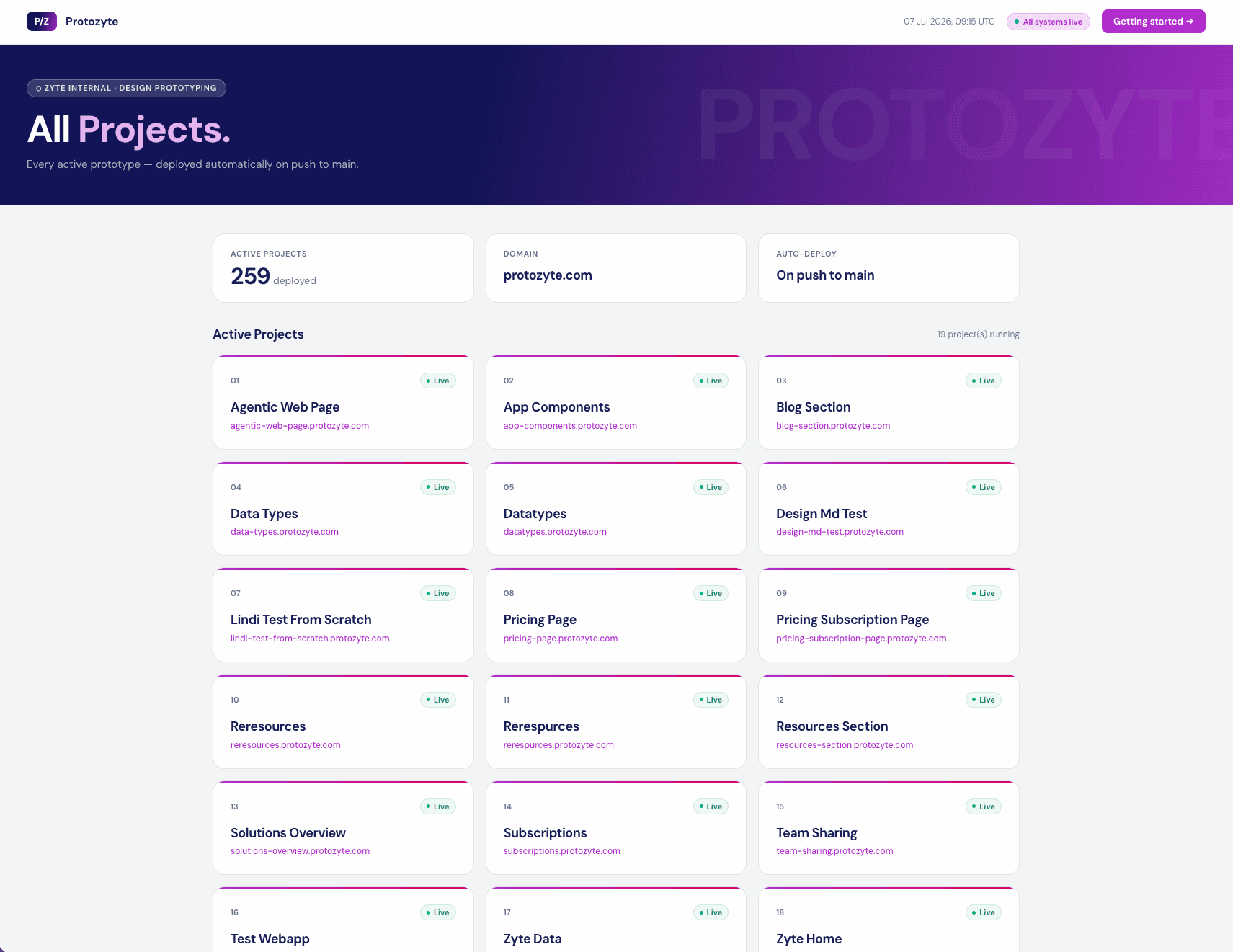
A prototype-to-production platform. Push a Next.js prototype to GitHub and it auto-builds into a container, live at its own subdomain in minutes.
A central dashboard lists every live prototype and regenerates on each deploy. Under the hood: Docker, Traefik for routing, a webhook-driven deploy pipeline, and Claude Code integration for AI-assisted generation.
I designed it, built it, and initially ran it at my own cost to prove the concept before asking the business to fund it. Once it demonstrated value, I onboarded designers and stakeholders across the team and wrote the migration runbook to hand the infrastructure over properly.
One push. No human in the loop.
Push
Developer pushes a prototype to GitHub.
GITHUBBuild
Webhook fires. The app is built into a container.
DOCKERDeploy
Routed to its own subdomain, live in minutes.
TRAEFIKDashboard
The index regenerates, listing every prototype.
LIVE INDEXIdea to a shareable URL in minutes, with no engineering time per prototype.
The trade-offs
This is where "AI native" means judgment, not enthusiasm.
- AIAI where it multiplies, code where it mattersAI generates prototypes; deterministic infrastructure deploys them. No LLM in the deploy path, because deployment needs to be boring and repeatable, not clever.
- CostCost as a design constraintAPI spend budgeted and monitored per use. When I pitched formal funding, I brought a monthly cost model, not a vibe.
- BuildBuy vs buildOff-the-shelf tools trap artefacts inside someone else's product. Building meant every prototype was real code on our own infrastructure, one step from production.
- OwnMaintainability over magicDocumented to the standard that an engineer who has never seen it can rebuild it. A system only I can run isn't a system, it's a dependency.
The outcome
The value isn't the prototypes. It's what they cost to be wrong. When testing an idea takes a weekend instead of a sprint, you can afford to test the risky version, and decisions that used to be settled by seniority get settled by evidence instead. That matters most on the work tied to our two commercial numbers, visitor to paid subscriber and visitor to data service enquiry, where the platform is how a conversion idea gets validated before anyone commits build time to it.
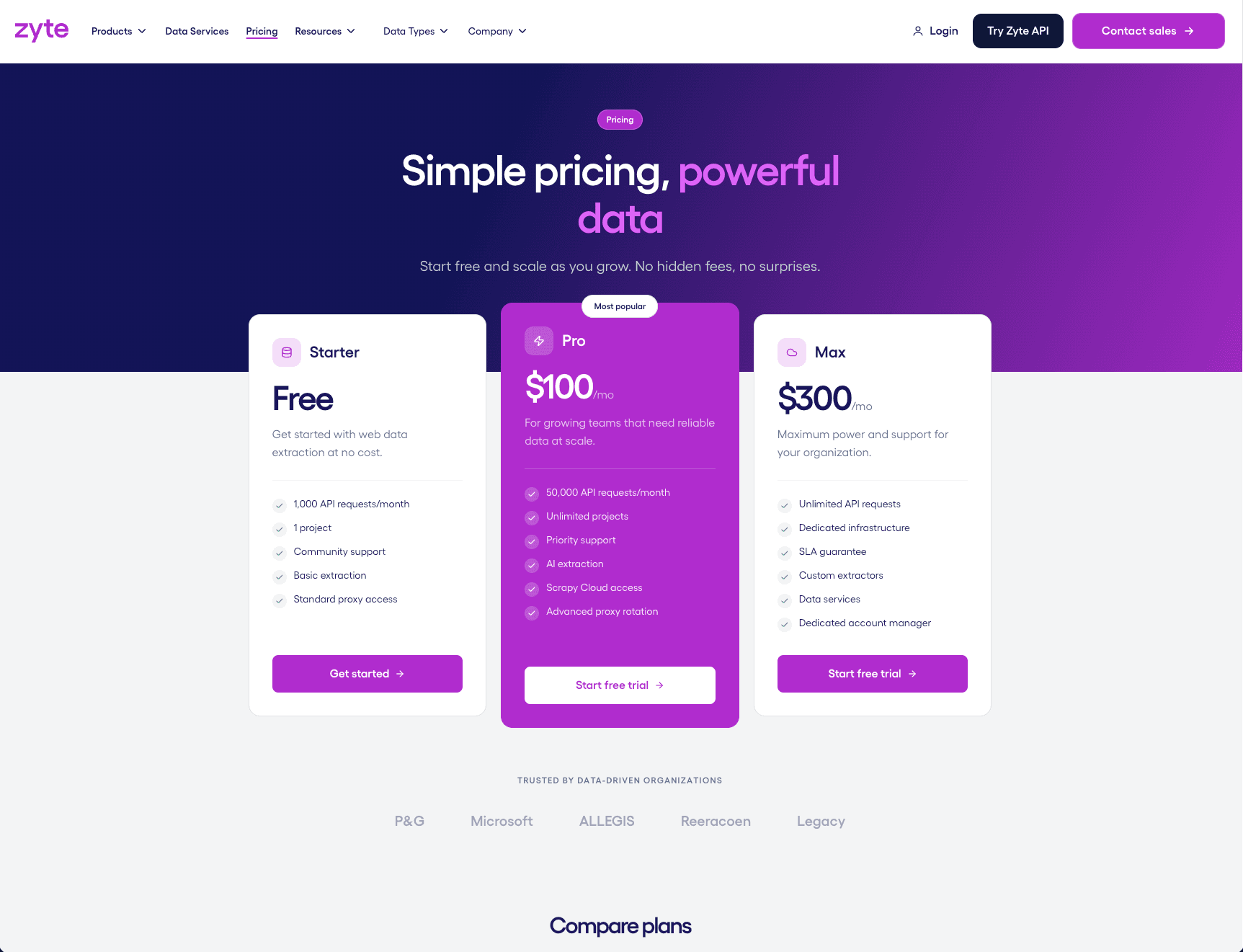
Designers and stakeholders now prototype independently, and prototypes became the default way to have product conversations: working software instead of static decks. The platform was formally adopted and migrated onto company infrastructure, and the concept was validated externally when Linear announced a near-identical idea months later, with one difference: Protozyte runs on our own infrastructure and can point at anything we control.
I was asked, implicitly, to be a faster prototyper. Instead I built the system that let the whole organisation decide faster, priced it, documented it, and handed it over. Solve the class of problem, not the instance.